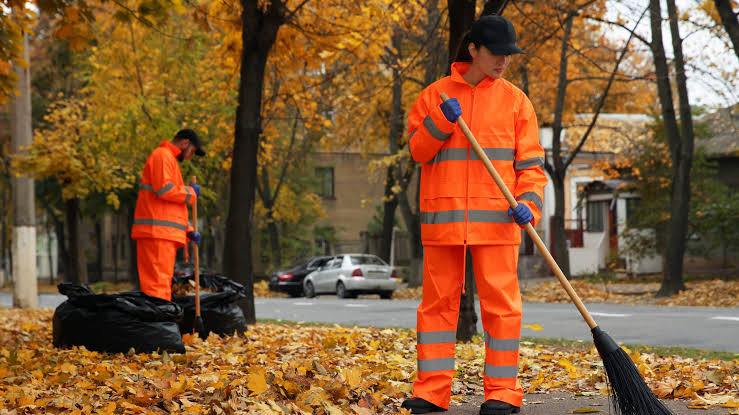
As urbanization accelerates, environmental cleaning is no longer limited to daily sweeping and waste collection. A civilized city requires coordinated maintenance across streets, sidewalks, public areas, canals, landscaped lakes and coastal spaces.
This is why urban cleaning is gradually moving beyond the traditional approach of simply “sweeping for cleanliness” toward environmental management based on specialized equipment, suitable technologies and systematic operating processes.
1. When Traditional Cleaning Methods Face New Limitations
For many years, street and public-space cleaning has relied primarily on human resources, manual tools and basic supporting equipment. This approach still plays an important role, particularly in small areas, complex terrain or situations requiring flexible handling.
However, as urban areas expand, traffic density increases and environmental quality requirements become more demanding, traditional methods begin to reveal several limitations:
- Large workloads create a heavy dependence on human resources for sweeping and waste collection.
- Cleaning efficiency is not always consistent across different areas and operating conditions.
- Fine dust, sand, oil and other substances adhering to road surfaces require more specialized treatment than conventional sweeping.
- Areas such as road dividers, roadside spaces, hidden corners and large public areas require equipment with suitable maneuverability and stable operating performance.
- Floating waste, algae and aquatic vegetation cannot always be effectively managed through manual collection methods alone.
At the same time, residents, businesses and investors increasingly expect Green – Clean – Civilized living environments. Environmental cleanliness has therefore become an important part of a city's appearance, the quality of public services and the operation of urban developments, resorts, parks and waterfront areas.
2. Specialized Cleaning Solutions from International Brands
To meet the diverse requirements of urban environments, cleaning equipment needs to be selected according to each area, type of waste and operating condition. From Europe to the United States, many specialized manufacturers have developed equipment dedicated to streets, public spaces, waste collection and waterway maintenance.
2.1. Street and Public-Space Cleaning with Dulevo
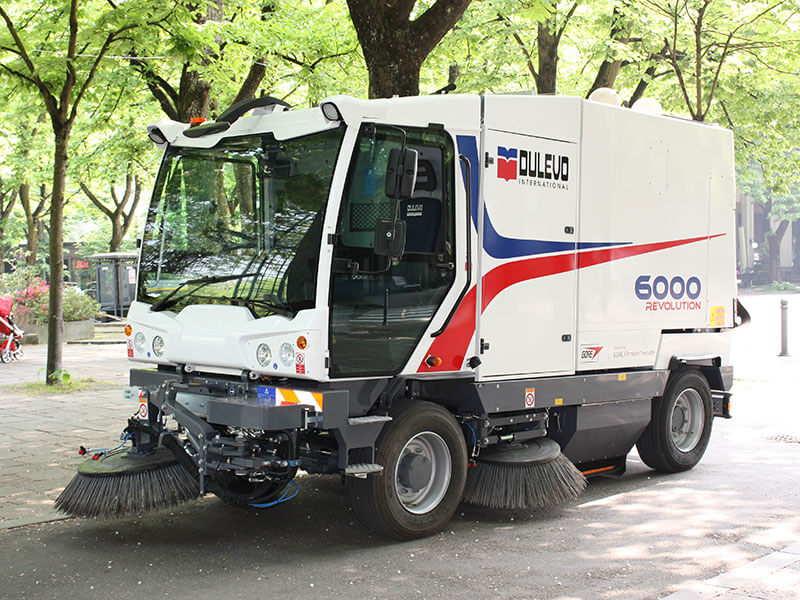
From Italy, Dulevo International S.p.A. is a brand specializing in the development of street cleaning and urban environmental solutions. Its equipment portfolio includes street sweepers, street washers and various machines designed for different operating conditions.
Dulevo equipment is designed for applications such as streets, city centers, car parks, shopping areas, industrial sites and infrastructure. Depending on project requirements, equipment selection may focus on maneuverability, compactness, working speed, road conditions and environmental impact.
For cities with high traffic density or regular landscape-maintenance requirements, specialized sweepers and street washers help make cleaning operations more proactive, rather than relying solely on manual methods.
2.2. Dust, Oil and Specialized Surface Treatment with Smets Technology
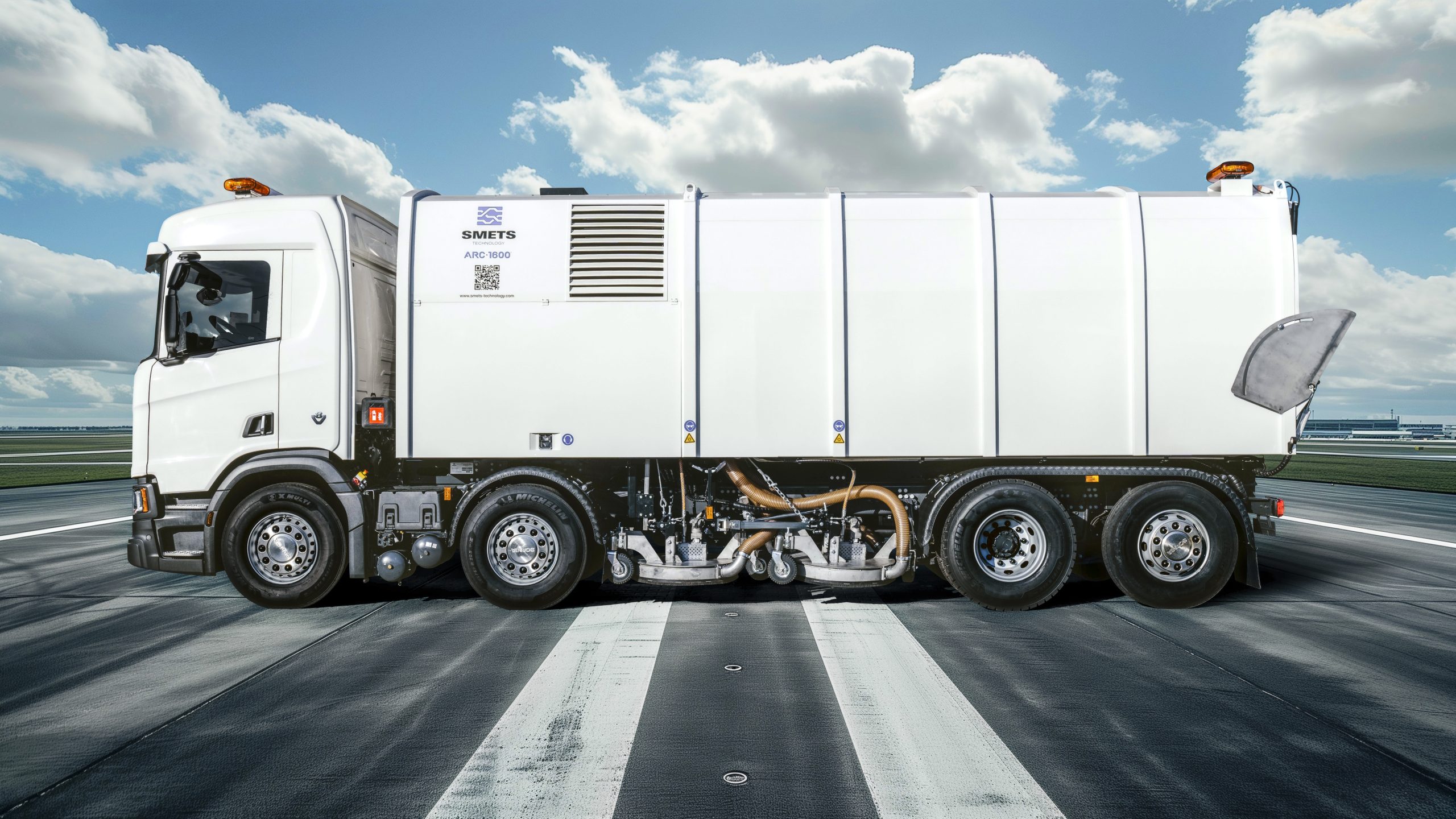
Not every road-surface problem can be solved with a street sweeper. Areas affected by runway rubber, road markings, oil, algae, moss or other firmly adhered materials require specialized surface-treatment technologies.
Smets Technology from Belgium develops high-pressure and ultra-high-pressure water cleaning solutions. Its technologies are applied to tasks such as road-surface cleaning, runway rubber removal, road-marking removal, oil-spill cleaning, algae and moss removal, and the restoration of certain surface characteristics.
For infrastructure projects, public areas and locations requiring surface-quality control, specialized equipment expands cleaning capabilities beyond conventional sweeping and waste collection.
2.3. Urban Waste Collection Solutions from FAUN
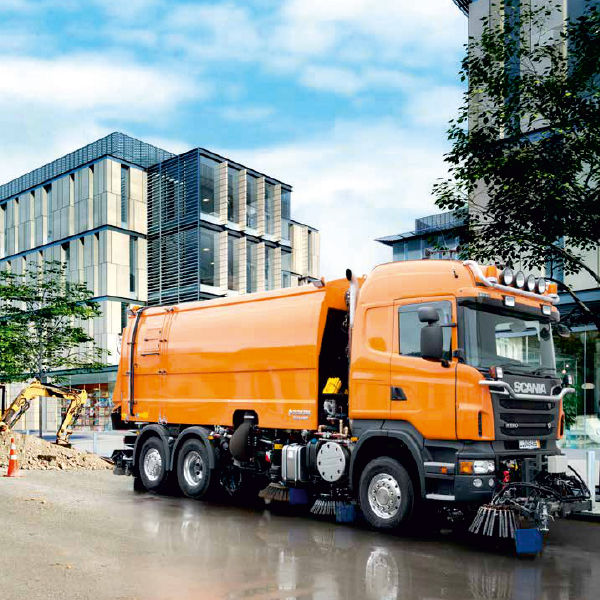
Alongside street cleaning, waste collection is an essential part of urban environmental management. FAUN Umwelttechnik GmbH & Co. KG from Germany specializes in vehicles and equipment for waste collection, waste transportation and municipal sanitation applications.
FAUN waste collection vehicles are developed for different operating requirements, including collection capacity, container lifting and emptying, operator safety and suitability for urban environments.
Investing in suitable collection vehicles not only improves the ability to organize waste transportation proactively, but also contributes to more systematic collection processes in residential areas, urban developments, commercial zones and public facilities.
2.4. Waterway and Waterfront Maintenance with Berky
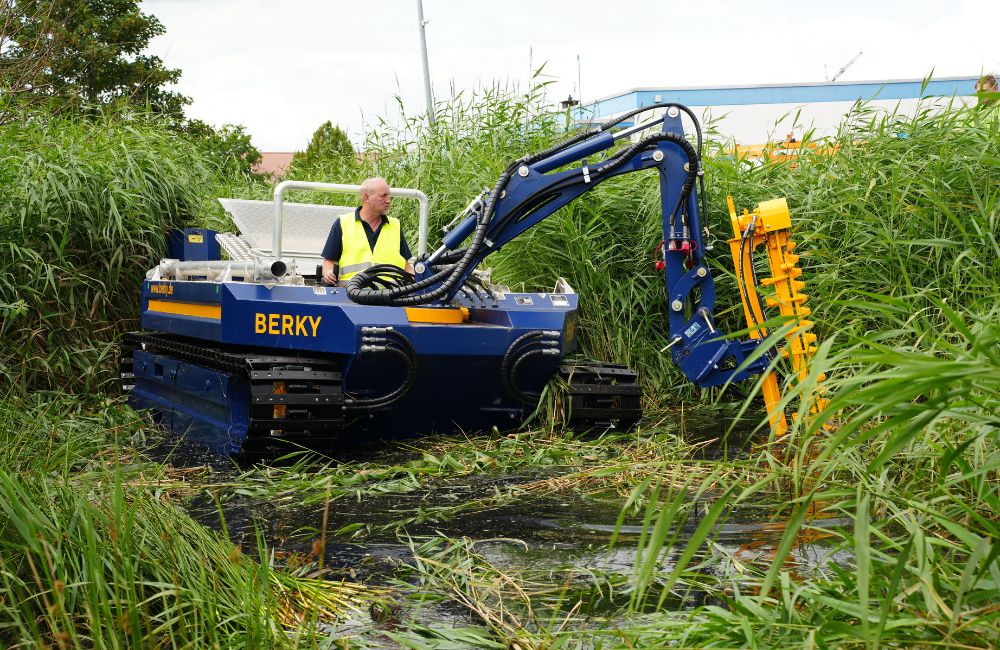
Waste and aquatic vegetation in canals, landscaped lakes and other waterways present different challenges from street cleaning. These areas require equipment capable of operating on water, reaching shoreline areas and handling specialized materials.
Berky GmbH from Germany provides specialized equipment for waterway maintenance, including mowing boats, amphibious boats, aquatic weed harvesters and dredging equipment. These solutions are used for tasks such as cutting and collecting aquatic vegetation, removing floating waste and supporting the maintenance of waterways.
Rather than treating waterways as areas that can only be managed through conventional methods, specialized equipment enables operators to approach maintenance in a more proactive, mechanized and site-specific manner.
2.5. Beach and Outdoor-Space Cleaning with H. Barber & Sons
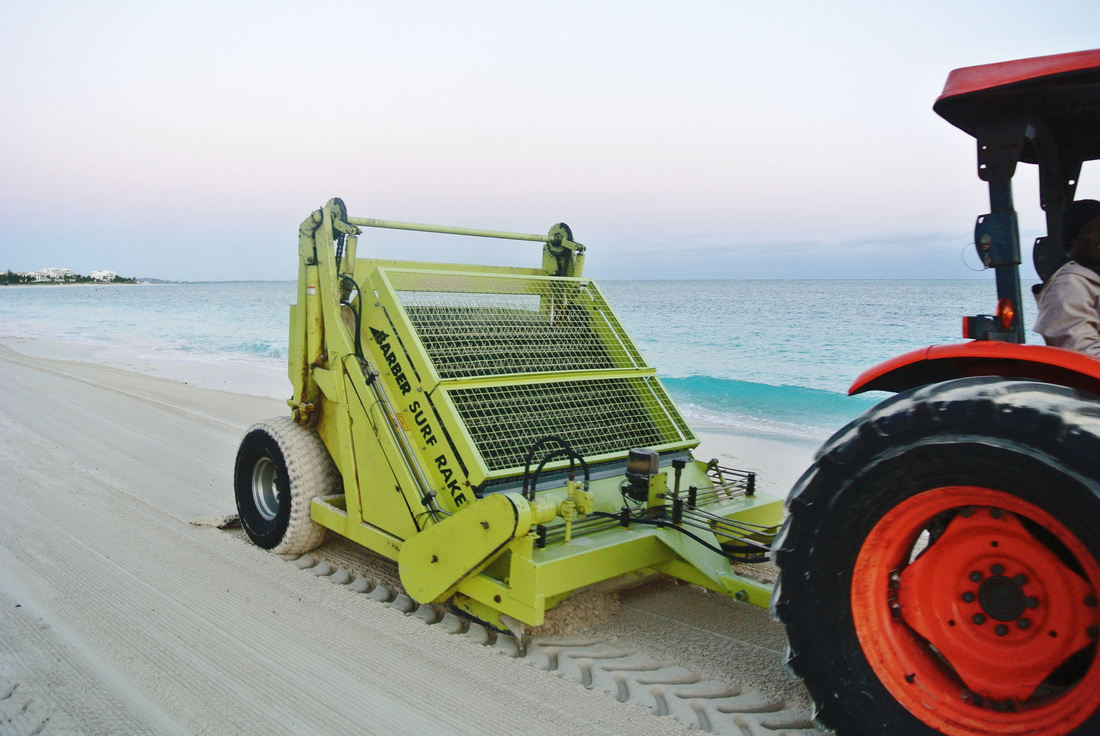
For beaches, parks, resorts and outdoor spaces, cleaning requirements involve more than waste collection. They also include maintaining the quality of sand, grass, soil and landscaped areas.
H. Barber & Sons, Inc. from the United States develops equipment for beach cleaning, litter collection and stone picking across various outdoor surfaces. These solutions are suitable for areas that require regular landscape maintenance but have terrain characteristics different from paved urban environments.
Using specialized equipment helps organize beach and outdoor-space maintenance according to the specific characteristics of each site's materials, surfaces and landscape requirements.
3. From Manual Cleaning to International-Standard Mechanization
The value of mechanization does not lie in completely replacing people, but in assigning the right tasks to the right equipment. Personnel remain essential for operation, inspection, coordination and handling special situations. Meanwhile, machines can perform repetitive tasks, large-volume work and activities requiring greater consistency.
For urban environmental management, this approach offers several notable benefits:
More Consistent Working Performance
Specialized equipment is designed for specific tasks, from street sweeping and washing to waste collection, waterway maintenance and surface cleaning. This enables operators to develop working plans that match the scale, frequency and characteristics of each area.
Better Control of Cleaning Quality by Area
Different surfaces and types of waste require different treatment methods. Dust on roads, oil, floating waste, algae and aquatic vegetation each require a specific approach. Selecting the right technology allows cleaning activities to be organized more precisely instead of applying one method to every type of terrain.
Supporting a Professional Urban Image
Clean streets, well-maintained public areas and regularly cared-for waterways contribute to a consistent urban appearance. These factors can also influence the experience of residents, visitors, businesses and investors when they access or operate within an area.
A Basis for Evaluating Long-Term Investment Efficiency
Investment in environmental cleaning equipment should be evaluated according to multiple factors, including workload, operating frequency, staffing requirements, maintenance costs, depreciation and service-quality objectives. Selecting the right configuration from the beginning provides a foundation for organizing operations in line with the project's budget and development goals.
4. Investing in the Environment Means Investing in Urban Quality
A modern city cannot be assessed solely by its new buildings, wide roads or smart infrastructure. The quality of the environment maintained every day is what contributes to a sustainable living and working experience.
From streets and public areas to canals, landscaped lakes and beaches, every space requires an appropriate cleaning and maintenance solution. Specialized equipment from Dulevo, Smets Technology, FAUN, Berky and H. Barber & Sons demonstrates how environmental cleaning can be approached through professional, mechanized solutions based on the actual characteristics of each location.
Instead of relying only on periodic general-cleaning campaigns, modern cities and developments need a more proactive management approach: suitable equipment, clear operating procedures and regular maintenance plans.
5. PAN Trading JSC – Supporting Professional Cleaning Solutions
.jpg)
With a focus on automation solutions, professional environmental cleaning and specialized equipment, PAN Trading JSC works with businesses, urban management organizations and development projects to identify solutions suited to their actual operational needs.
From street and public-space cleaning to waste collection, waterway maintenance and outdoor-area care, equipment selection should be based on project scale, terrain conditions, waste characteristics, operating frequency and investment objectives.
Investing in the right technology not only improves operational efficiency, but also contributes to cleaner, safer and more civilized living and working environments.
Contact PAN Trading JSC for consultation on suitable cleaning equipment solutions for urban areas, industrial parks, resorts, parks, waterfronts and infrastructure projects.
Contact Information
PAN TRADING JSC
Hotline: (+84) 28 3840 2222 | 0919 302 879
Address: 142 B2 Street, Sala Urban Area, An Khanh Ward, Ho Chi Minh City, Vietnam
Website: https://pantrading.vn
Email: contact@pantrading.vn